Diving into the world of Airbnb hosting can feel like jumping into the deep end of a pool filled with changeover schedules, guest communication, and endless opportunities. But don't worry, whether you're a newbie eager to make a splash or just testing the waters, I've got some practical and easy-to-follow tips to make your hosting journey a delightful one. We're here to ensure that your listing doesn’t end up in the sea of mediocre stays, but instead becomes a beacon for guests worldwide.

AI co-host, channel manager, cleaning automation, smart locks, welcome guide — all at EUR 12/month per property after the trial.
Start free trialStarting an Airbnb business is more than posting nice photos and waiting for bookings. A few decisions made before your listing goes live will shape your reviews, your workload and your profit.
Decide who you want to host: business travelers, couples on a city break, families or groups of friends. That choice drives everything else, from the number of beds to the amenities and the price. Then look at your location with a guest’s eyes: transport, attractions or business districts nearby, parking, noise. The listings around you that are booked most often show what guests in your area expect and what they are willing to pay.
Short-term rental rules differ from one country, and often from one city, to the next. Before you publish, check:
Your city hall or local authority is the best source; an accountant or lawyer can confirm the tax side. For country-specific steps, see how to register your vacation rental in France, Italy, Spain and the UK.
Separate the one-off setup costs from the costs that come back with every stay:
Run the numbers on a prudent occupancy rate, not on your best month. Our method for calculating Airbnb profitability walks through it step by step.
Creating an attractive Airbnb listing is all about showcasing your property’s personality while making it easy for guests to imagine themselves staying there. Here’s how to do it in a simple, approachable way:
Here’s the testimonial of Bassel, Airbnb Superhost : “I’ve been hosting on Airbnb for several month, and 90% of my guest reviews mention that my home is exactly as described. This accuracy is the result of my dedication to providing detailed descriptions and transparent communication. By exceeding expectations, I’ve earned Superhost status and maintained a high occupancy rate with excellent reviews.”
By focusing on clarity, personality, and guest experience, you’ll create a listing that feels welcoming and professional without being overly formal. Guests will feel confident booking, and excited about their stay!
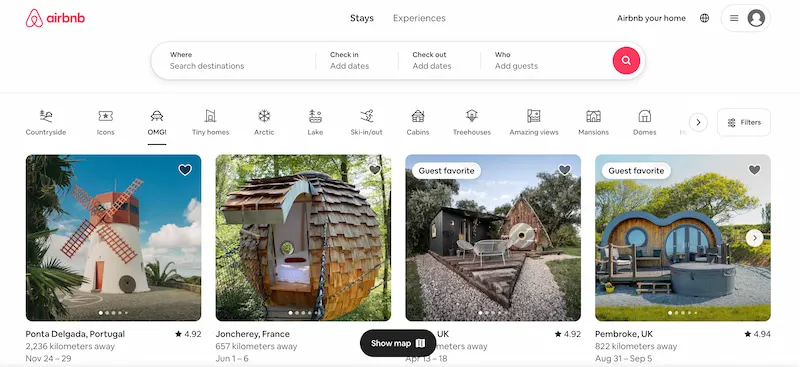
Setting the right price is like seasoning your favorite dish, too much, and you might scare people off; too little, and you’re undervaluing your asset. Start by researching similar listings in your area to get a sense of the benchmark pricing. Tools like Airbnb’s smart pricing can be extremely helpful but treat them as a guide, your knowledge of special events in the area or local trends will always give you the edge.
Before setting any prices, become a detective in your local Airbnb scene. Investigate comparable listings and note:
This reconnaissance will help you pinpoint your listing’s true value.
While Airbnb’s built-in pricing tool is a good start, consider leveling up with third-party pricing wizards. Dynamic pricing tools can be your secret weapons, analyzing market trends to suggest optimal rates. Just remember to set your own limits to keep things in check.
Create a flexible pricing structure that ebbs and flows with demand:
Don’t forget to factor in local festivals or events that could spike demand!
Typically, Friday and Saturday nights command higher rates. But stay alert, a midweek conference or event could flip this script in your favor.
When your area hosts big-ticket events, adjust your rates to match the buzz. Visitors are often willing to splurge for a prime spot near the action.
Entice extended stays with tiered discounts:
This approach can fill gaps and reduce your turnover hustle.
Make it a habit to review your pricing weekly and stay tuned to local happenings that could impact demand.
Make cleaning fees and any extra charges visible from the start: surprise costs are one of the fastest ways to earn a bad review, however good the stay. A slightly lower price can help a brand-new listing win its first bookings and reviews, but keeping prices low for months sends the wrong signal about your property and leaves money on the table. Raise your rates step by step as reviews come in; our guide to your first 10 bookings explains the timing.
By fine-tuning these strategies, you’ll be well on your way to pricing prowess that keeps your calendar full and your profits healthy. Remember, the key is to stay flexible and keep learning from your Airbnb journey!
First things first: clean like your grandma’s coming to visit. Focus on the guest hotspots - bathroom, kitchen, and bedroom. Nobody wants to play hide and seek with dust bunnies, right?
Next up, stock up on the good stuff. Think mini-hotel vibes: toiletries, fresh towels, and maybe some coffee for those early risers. It’s all about making your guests feel pampered without having to ask.
Now, for the check-in magic: set up a lockbox or smart lock. Trust me, it’s a game-changer. No more waiting around or key handoff acrobatics.
Then add the small extras that make guests feel looked after: a few board games or books for rainy days, an umbrella and phone chargers, baby gear if you welcome families, and seasonal touches like a warm throw in winter or beach towels in summer. They cost little, and they are exactly what guests mention in reviews.
Last but not least, add your personal flair. A welcome letter or a digital booklet to your neighborhood’s hidden gems can turn a good stay into a great one. It’s like being their local friend, minus the 3 AM pizza runs.
Remember, it’s not about perfection - it’s about creating a space where your guests can kick back and feel at home. Keep it clean, comfy, and a little bit quirky, and you’ll have happy Airbnb-ers in no time!
Mastering guest communication is the backbone of successful hosting, setting the stage for a seamless and enjoyable experience. Start by responding promptly to inquiries, whether it’s a booking request or a simple question. A quick response reassures potential guests that you are attentive, professional, and committed to providing excellent service.
To minimize back-and-forth exchanges and preempt common queries, offer comprehensive information upfront. A well-structured welcome message or digital welcome book can answer frequently asked questions about Wi-Fi access, check-in procedures, parking availability, heating/cooling instructions, local transportation, and house rules (such as noise policies or pet restrictions). Anticipating guest needs not only prevents misunderstandings but also enhances their overall experience.
Tone matters too, always be gracious, courteous, and professional in your communication. A warm and friendly acknowledgment of their booking, followed by a thoughtful check-in message, makes guests feel valued and welcome. Consider sending a personalized note with local recommendations or a special touch like a discount for their next stay.
And don’t panic if something goes wrong, even the best-laid plans can encounter hiccups. Whether it’s a delayed check-in, a malfunctioning appliance, or a misunderstanding about the property, address issues quickly and proactively. Apologizing sincerely and offering a reasonable solution, such as a small refund, a complimentary service, or simply a kind gesture, can transform a potential negative review into a glowing recommendation.
Here’s the testimonial of Basse, Airbnb Superhost : “One night, the heating stopped working, and my guests were feeling cold. I quickly called a technician, gave them extra blankets, and offered a small discount to apologize. Instead of a bad review, they thanked me for my quick help, proving that solving problems fast and with care makes all the difference”.
Once the issue is fixed, follow up with a short message to check that everything is now fine. Keep a record of what happened (messages, photos, invoices): if the problem turns into a dispute or a claim, you will need it.
In the end, exceptional communication isn’t just about answering questions, it’s about fostering trust, managing expectations, and creating a five-star experience that keeps guests coming back.
Positive reviews are the lifeblood of an Airbnb listing, drawing in new guests like a lighthouse signals to ships. Delivering a great experience is your best strategy. Beyond the basics, consider what could elevate your guest’s stay above and beyond. Small gestures, like a basket of local treats or insights on the hidden gems of the neighborhood, can create memorable stays.
Encourage guests to leave feedback by gently reminding them post-departure. If they highlight areas of improvement, take it as constructive criticism. Continuously refine your offering based on this invaluable feedback loop. And always leave reviews for your guests too. This reciprocation fosters an atmosphere of mutual respect and community that Airbnb thrives on.
Once bookings come in, hosting becomes a routine of messages, check-ins and cleanings. Set up a system early, before the volume makes it painful:
A property manager or co-host is worth considering if you live far away or lack time, but they take a commission on your revenue. With the right tools and a reliable cleaner, many hosts manage on their own and keep service quality high. Our guide to Airbnb co-hosts compares both options.
Nowistay brings these pieces together: a channel manager for Airbnb, Booking.com, VRBO and Expedia with built-in dynamic pricing (AI Pricing suggests a price for every free night, around a typical price and a minimum price you set), an AI co-host that replies to guests on its own (on Airbnb, Booking.com, Expedia, WhatsApp and email) and alerts you only when a human is needed, cleaning missions with photo checklists, smart-lock codes per booking and a digital welcome guide. The full plan costs EUR 12 (USD 15) per property per month, and the first month is free.
Embarking on your journey as an Airbnb host is both exhilarating and, yes, a little daunting. But with a little effort and a lot of hospitality, you’ll gather rave reviews in no time. Remember, the magic of successfully hosting lies in combining a great offering with genuine care and attention to detail, all while keeping your sanity intact. So put on your superhero cape, welcome those guests, and enjoy the journey as you turn your space into a memorable destination. Happy hosting!
To prepare useful guest information and send it through Nowistay, see these guides: How to set up automated guest (& team) messages ; How to create the welcome guide with AI?.
Free trial, no credit card. Onboard in minutes, scale to 100+ properties.
Try Nowistay free

Over 25 years of experience in real estate investing and a recognized expert in short-term rental automation. Bassel helps property managers increase revenue, cut operating costs, and deliver 5-star guest experiences using AI-powered tools he built from firsthand hosting experience.
