Revenue & Pricing

How to Get More Direct Bookings for Your Vacation Rental in 2026

OTA commissions eating into your profits? You're not alone. The average vacation rental host pays 15-20% in platform fees per booking. But a growing number of savvy property managers are reclaiming that margin through direct bookings. Here's the complete playbook to reduce your OTA dependency, build a direct booking engine, and turn one-time guests into loyal repeat visitors.
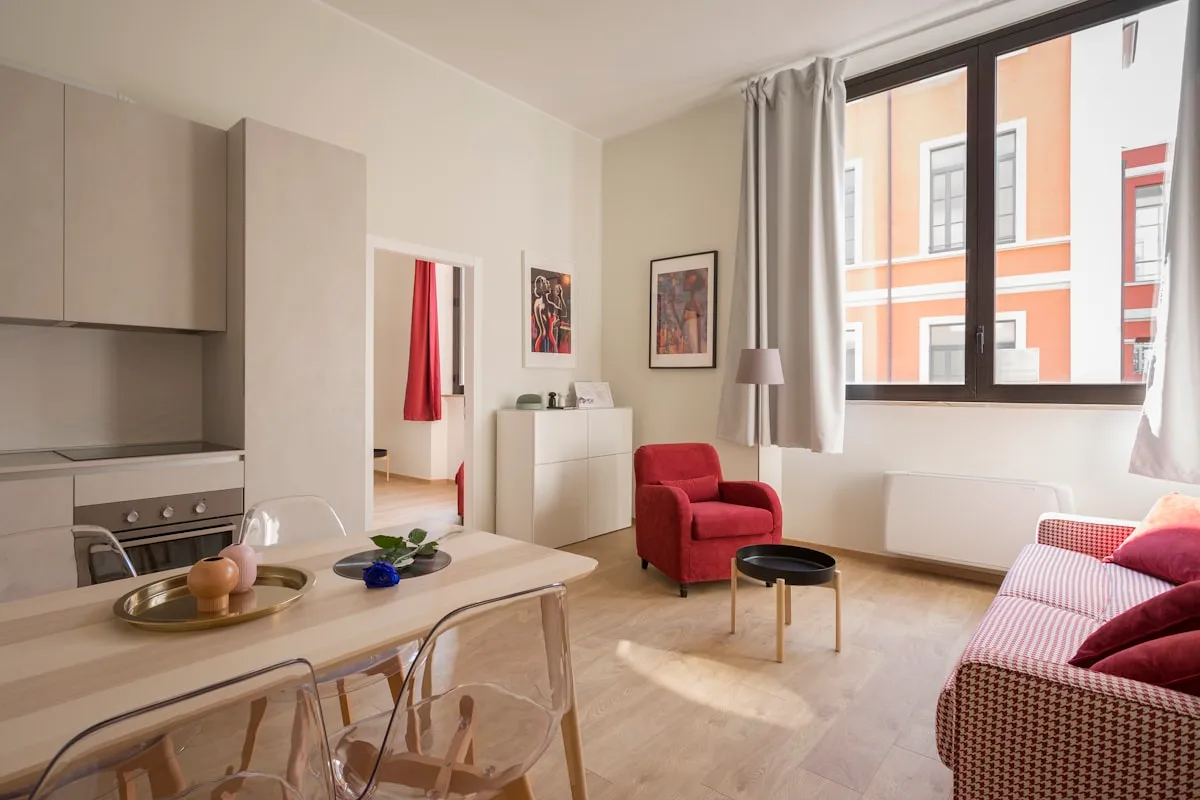
Modern vacation rental apartment with professional interior design

Automate your guest communication across all channels

Whether guests book directly or through OTAs, Nowistay's AI co-host handles every message seamlessly.

Start free trial

Why direct bookings matter more than ever in 2026

The vacation rental industry has matured significantly. While Airbnb and Booking.com remain powerful distribution channels, the smartest property managers are diversifying their booking sources. Here’s why direct bookings deserve your attention now.

Platform commissions have been steadily climbing. Airbnb now charges a single host fee of 15.5% per booking (16% in Brazil and Mexico), applied to all home hosts as the split-fee model is phased out, while Booking.com typically takes around 15% from hosts, more with its Preferred Partner program. Vrbo has told hosts it moves to a single 12% commission from 29 October 2026. For a property generating $50,000 annually, that’s $7,500 to $9,000 going straight to platforms. Direct bookings eliminate these fees entirely.

Beyond the financial argument, direct bookings give you something even more valuable: control over your guest relationship. When guests book through OTAs, the platform owns the relationship. You can’t email them freely, you can’t build a loyalty program, and you’re subject to the platform’s ever-changing algorithms and policies.

Real numbers: direct booking ROI calculator

Let’s look at concrete savings across different portfolio sizes. These calculations assume an average OTA commission of 15% (close to Airbnb’s 15.5% host fee and Booking.com’s typical commission).

Solo host (1-2 properties, $40,000/year revenue)

  • Annual OTA commissions: $6,000
  • If 25% of bookings go direct: $1,500 saved per year
  • Minus direct booking costs (website hosting, payment processing ~3%): -$300
  • Net annual savings: $1,200

Growing portfolio (5-10 properties, $200,000/year revenue)

  • Annual OTA commissions: $30,000
  • If 30% of bookings go direct: $9,000 saved per year
  • Minus direct booking costs (website, marketing, payment processing): -$2,400
  • Net annual savings: $6,600

Professional manager (20+ properties, $600,000/year revenue)

  • Annual OTA commissions: $90,000
  • If 35% of bookings go direct: $31,500 saved per year
  • Minus direct booking costs (website, SEO, marketing team, payment processing): -$9,000
  • Net annual savings: $22,500

The math is clear: even a modest 25% direct booking rate pays for the entire investment many times over. And unlike OTA commissions, your direct booking infrastructure is an appreciating asset, your website, email list, and brand equity grow over time while commissions simply vanish.

The direct booking funnel, stage by stage

A direct booking channel works like a funnel: every stage has to hold, or the guests you attracted leak back to the OTAs. The hard part is not the website. It is replacing what Airbnb and Booking.com do for you behind the scenes: availability, payment, deposits, tourist tax, guest messages, identity checks and disputes.

  • Traffic: travelers find you through Google, your brand name, social media and past direct guests (see the traffic section below).
  • Website: a page that looks at least as trustworthy as your OTA listing, with photos, reviews and clear policies.
  • Booking engine: live availability from the same calendar as your OTA listings, so a direct booking can never create a double booking.
  • Payment: instant online payment through a recognized processor, a clear deposit and balance schedule, and a written cancellation and refund policy.
  • Follow-up: the same automated messages as an OTA booking (confirmation, pre-arrival, access code, checkout), then a post-stay sequence that brings guests back.

Many hosts start with a contact form, a manual calendar check and a payment link sent by email. It works for a handful of bookings, but every manual step loses guests, and blocking dates by hand on each OTA invites double bookings. Automate the booking engine and payment first, then invest in traffic, and track where each direct booking comes from (Google, repeat guests, social media, ads) so you know where to invest next.

The direct booking ecosystem: what you need

Building a direct booking channel isn’t about choosing between OTAs and your own website. It’s about creating a balanced distribution strategy where direct bookings complement your platform presence. Here are the essential components.

1. A professional direct booking website

Your website is the foundation. It needs to look as trustworthy and polished as an Airbnb listing, if not more so. Guests who find your property on a platform will often Google your brand. If your website looks outdated or unprofessional, they’ll book through the OTA where they feel safer.

Key elements of a high-converting vacation rental website:

  • Professional photography displayed prominently
  • A clear, simple booking engine with real-time availability
  • Guest reviews imported or displayed from major platforms
  • Transparent pricing with no hidden fees
  • Secure payment processing (Stripe, PayPal, or similar)
  • Mobile-responsive design: many travelers browse and book from their phone
  • SSL certificate and trust badges

Several platforms make it relatively straightforward to build a direct booking site: dedicated direct-booking website builders, full property management systems (for larger operators), or even WordPress with a booking plugin. The choice depends on your portfolio size and technical comfort.

To set up direct booking in Nowistay, see the guides for your website and for manually entered bookings with payment requests: How to set up direct booking on your website ; How to add manual bookings and request payment.

2. A compelling reason to book direct

Here’s the uncomfortable truth: guests have no inherent reason to book directly with you. Airbnb offers buyer protection, easy cancellation, and a familiar checkout process. You need to create a value proposition that makes direct booking the obvious choice.

Proven incentives that work:

  • Price parity or discount: offer 5-10% less than OTA pricing (you’re still ahead after eliminating commissions)
  • Flexible cancellation: match or beat OTA policies
  • Added perks: early check-in, late checkout, welcome basket, free parking
  • Loyalty rewards: discounts for repeat stays
  • Exclusive availability: some dates only available for direct booking

3. Guest trust and social proof

The biggest barrier to direct bookings is trust. When someone books through Airbnb, they trust the platform. When they book through your website, they need to trust you.

Building trust requires multiple signals:

  • Display reviews from Airbnb, Google, and Booking.com on your site
  • Show your real team, photos, names, and a bit about your story
  • Include clear cancellation and refund policies
  • Use recognized payment processors
  • Respond quickly to inquiries (an AI chatbot on your website can handle this instantly)
  • Maintain an active social media presence with real guest photos

Laptop showing vacation rental direct booking website with analytics dashboard

How to drive traffic to your direct booking website

Having a beautiful website means nothing if nobody finds it. Here are the most effective channels for driving direct booking traffic.

Google Business Profile optimization

This is the lowest-hanging fruit. Create a Google Business Profile for each property or for your management brand. Optimize it with high-quality photos, accurate information, and regular posts. When guests search your property name or your brand, your direct booking site should appear prominently.

Advanced Google Business Profile tactics:

  • Post weekly updates: Google rewards active profiles. Share seasonal availability, local events, or property upgrades.
  • Respond to every review: positive and negative. This signals to Google that you’re an engaged business.
  • Add all relevant categories: “Vacation rental agency”, “Holiday apartment”, “Cottage rental”, use multiple categories that match your offering.
  • Upload at least 20 photos: include geotagged property photos, interior shots, and neighborhood highlights.
  • Enable messaging: let potential guests contact you directly through Google.
  • Add a booking link: point it to your direct booking page, not your OTA listing.

SEO for vacation rental keywords

Target location-specific keywords that travelers actually search for: “vacation rental in [city/neighborhood]”, “family-friendly apartment near [landmark]”, “pet-friendly cabin in [region]”. These long-tail keywords are less competitive than generic terms and attract high-intent traffic.

Local SEO fundamentals

Local SEO is where small operators can outperform major OTAs. Here’s how:

  • Create location-specific landing pages: if you manage properties in multiple areas, each area gets its own page (e.g., “/vacation-rentals-barcelona-gothic-quarter”)
  • Write neighborhood guides: a 1,500-word guide about your area (best restaurants, hidden gems, transport tips) ranks well and establishes authority
  • Build local citations: list your business on TripAdvisor, Yelp, local tourism board websites, and regional directories
  • Earn local backlinks: partner with local tour operators, restaurants, and activity providers for cross-promotion and link exchanges

Schema markup for vacation rentals

Add structured data (schema.org markup) to your website so Google understands your content. Key schema types for vacation rentals:

  • LodgingBusiness: your property or management company
  • VacationRental: individual property listings with amenities, pricing, and availability
  • Review / AggregateRating: display your star rating directly in search results
  • FAQPage: common questions (check-in time, pet policy, cancellation) shown as rich snippets

Schema markup won’t directly boost rankings, but it can make your result stand out with star ratings, pricing and availability, which encourages more searchers to click.

Content marketing that drives bookings

Publish content that matches what travelers search for:

  • “Best time to visit [your city]”, seasonal guide linking to your properties
  • “[Your city] neighborhood guide”, positions you as the local expert
  • “Things to do in [area] with kids”, attracts family travelers directly to your site
  • “[Your city] events calendar”, regularly updated, brings repeat organic traffic

Email marketing to past guests

Your past guests are your warmest leads. Build an email list from every direct interaction and send periodic newsletters with:

  • Seasonal availability updates
  • Returning guest discounts
  • Local event highlights (festivals, conferences, seasonal attractions)
  • Property improvements and new amenities

A simple email sequence, post-stay thank you, 3-month check-in, seasonal promotion, can generate a steady stream of repeat bookings.

Time it on the guest’s own calendar: send the thank-you and review request a day or two after checkout, and the rebook offer 60 to 90 days before the season they visited last year, when they start planning again. Only email guests who gave you their address and agreed to hear from you, such as direct bookers who opted in.

Social media as a booking channel

Instagram and Facebook are natural fits for vacation rentals. High-quality property photos, guest stories, local recommendations, and behind-the-scenes content all build your brand. Include a booking link in your bio and use Instagram Stories to showcase availability.

The OTA-to-direct pipeline

Use OTAs as a discovery channel and let your brand do the converting. A guest who loved the stay may look you up later: give your property a memorable name, make sure your website comes first when someone searches for it, and let your digital welcome book carry that brand during the stay. What you may say to OTA guests directly is restricted, so check the rules below first.

Stay within OTA rules

Airbnb’s off-platform policy forbids asking or encouraging guests to move current, future or repeat bookings off Airbnb, offering discounts to book off Airbnb, putting links that lead off the platform in listings or messages, and soliciting guests’ email address or other contact channels (Airbnb). In practice:

  • Never put your direct booking link, or a lower direct price, in an Airbnb listing or message.
  • Do not ask Airbnb guests for their email address to market to them later.
  • Build your direct audience from channels you own: Google, your website, social media and guests who booked direct the first time.
  • Other OTAs have their own clauses on contacting their guests: read them before you reach out outside the platform.

Guest communication as a conversion tool

Here’s a fact most hosts overlook: the speed and quality of your reply to an inquiry weigh heavily on whether a website visitor books. A traveler who asks a question is usually comparing several rentals, and the host who answers first and clearly has the advantage.

Why communication matters more on your direct site

On Airbnb, travelers already trust the platform. On your direct site, every interaction is a trust-building opportunity. A quick, helpful, personalized reply signals professionalism and reliability. A slow or generic reply sends travelers back to the OTA.

The 24/7 response challenge

Travelers browse and inquire at all hours, evenings, weekends, holidays. If your direct site inquiry sits unanswered for 12 hours while you sleep, that’s a lost booking. This is exactly where an AI-powered chatbot transforms your conversion rate:

  • Instant responses: answer availability, pricing, and amenity questions in seconds, 24/7
  • Consistent quality: every response is professional, accurate, and on-brand
  • Multilingual support: respond in the traveler’s language automatically
  • Upselling opportunities: suggest add-ons (airport transfer, early check-in, experience packages) during the conversation

The follow-up sequence that books

Not every inquiry converts immediately. Implement a follow-up sequence for website inquiries:

  1. Immediate: auto-response with availability confirmation and a personal note
  2. 2 hours: if no booking, send a “Did you have any questions?” follow-up
  3. 24 hours: share a limited-time direct booking incentive (“Book in the next 48h for a complimentary welcome basket”)
  4. 72 hours: final nudge with social proof (“Our guests rate us 4.9/5 across 200+ reviews”)

This kind of thoughtful, timely communication converts significantly more inquiries into bookings, and it’s all automatable.

Setting up a guest loyalty program

Repeat guests are the holy grail of direct bookings. They cost nothing to acquire, they know your property, and they leave better reviews. A simple loyalty program can dramatically increase your repeat booking rate.

Keep it simple

Don’t over-engineer your loyalty program. A straightforward structure works best:

  • Second stay: 10% discount
  • Third stay and beyond: 15% discount + early check-in
  • Referral bonus: 10% off for both the referrer and the new guest

Communicate these benefits clearly during checkout and in your post-stay emails.

Personalization drives loyalty

When a guest returns, remember their preferences. Did they request extra towels? Prefer a specific check-in time? Mention a birthday during their stay? Small personal touches transform a transaction into a relationship. This is where having a good guest management system becomes essential: it stores these details so you can personalize every interaction.

The technology stack for direct bookings

Running direct bookings requires a few tech tools working together:

  • Booking engine: handles availability, pricing, and reservations
  • Payment processor: Stripe or PayPal for secure transactions
  • Channel manager: syncs availability across OTAs and your direct site to prevent double bookings
  • CRM or guest database: tracks guest information and communication history
  • AI communication tool: handles guest inquiries on your website 24/7 (tools like Nowistay manage this across all channels)
  • Email marketing platform: for newsletters and automated sequences

Running direct bookings with Nowistay

In Nowistay, the direct booking widget embeds on your own website, takes payment through Stripe on your own Stripe account with 0% Nowistay commission, and reads the same calendar the channel manager syncs with Airbnb, Booking.com, Vrbo and Expedia, so a direct booking blocks the dates everywhere. What happens after the click matters as much as the widget:

  • One widget for all your properties: in Integrations, open Direct Booking and switch from Single property to Multiple properties. Visitors see each property with its photo, city, capacity and starting price per night, choose their dates, number of guests and city, compare the available properties with the total for the stay, then book. One embed code covers the whole portfolio.
  • A guest conversation from the first email: the booking confirmation is sent from the conversation’s own reply address and recorded in the guest’s conversation. When the guest replies, the message lands in your Messages inbox, and the AI co-host can answer by email, knowing what the guest has already received. You can also write first: before the guest has written, your reply goes out by email. Bookings you create yourself with the guest’s email receive the same confirmation once they are confirmed.
  • Refunds when you cancel: cancelling a paid direct booking asks what happens to the money: Keep the payment, refund nothing, Refund part of it or Refund everything. The refund goes back to the guest through Stripe, a second instalment not yet charged is never charged after the cancellation, and if Stripe cannot make the refund (a balance too low to cover it, or a payment older than 180 days) you receive an email asking you to refund from your Stripe dashboard.
  • Abandoned checkouts: when a visitor starts a booking on the widget but does not pay in time, you receive an email with their name, email, phone if given, dates and estimated amount. Replying to that email writes straight to the guest.
  • The same follow-up as OTA guests: automated messages, AI co-host replies by WhatsApp or email, smart-lock codes and, if you enable it, identity verification (EUR 2 per check).

For deposits, split payments and refund policies in more detail, see our guide to payment collection for direct bookings.

The key principle: your direct booking channel should offer guests the same seamless experience they get on major platforms, instant confirmation, clear communication, and professional service.
Property manager reviewing guest loyalty program metrics on tablet

Common mistakes to avoid

Many hosts stumble when launching direct bookings. Here are the pitfalls to watch for:

  • Pricing higher than OTAs: guests will always comparison-shop. If your direct price is higher (or even equal), there’s no incentive to leave the platform.
  • Neglecting communication speed: on Airbnb, fast response is expected. On your own site, it’s even more critical. A slow response kills trust. An AI chatbot that answers in seconds closes most of that gap.
  • No cancellation policy: guests need to feel protected. A fair, clearly stated cancellation policy is essential, and you should apply it the same way when a stay is cancelled: decide the refund from the written policy, not case by case.
  • Letting abandoned checkouts go: a visitor who entered their details but never paid is your warmest lead. Contact them the same day to answer the question that stopped them.
  • Ignoring mobile: if your booking process doesn’t work flawlessly on a phone, you’re losing bookings.
  • Abandoning OTAs entirely: direct bookings should complement, not replace, your OTA presence. OTAs provide visibility and trust that’s hard to replicate independently.

A practical year-one plan

If you are starting from zero, spread the work over twelve months:

  • Months 1 to 2: set up the booking engine, payment and a basic website, connected to the same calendar as your OTA listings. Check how tourist tax is handled for direct bookings in your area.
  • Months 3 to 4: switch on the post-stay sequence for direct guests and an email sign-up with consent on your website.
  • Months 5 to 6: give each property a memorable name, work on local search terms (“[city] vacation rental [neighborhood]”) and add a page of real guest testimonials.
  • Months 7 to 9: test small search ad campaigns on your brand name and rebook offers for past direct guests.
  • Months 10 to 12: review what works and decide where to invest next: more content and local search, more ads, or simply holding your current share.

Expect the first year to build the foundations (email list, brand recognition, search visibility). The savings usually grow in year two, as repeat guests come back direct.

When direct booking is not worth the effort

  • A single property that is already almost full through Airbnb’s organic traffic: the extra margin is small compared with the work.
  • A property with nothing that sets it apart in a saturated market: without brand pull, the content and marketing that direct booking needs are hard to sustain.

For multi-property managers, distinctive homes and destinations with repeat visitors, direct booking is one of the best investments you can make.

Measuring your direct booking success

Track these metrics to gauge your progress:

  • Direct booking percentage: your share of direct bookings, compared month by month with your starting point
  • Cost per acquisition: compare the cost of acquiring a direct booking (marketing spend) vs. OTA commissions
  • Repeat guest rate: percentage of guests who book a second time
  • Average booking value: compare direct and OTA stays on length and extras sold
  • Website conversion rate: the share of visitors who complete a booking, and how many start the checkout without paying

Final thoughts

Building a direct booking channel is a marathon, not a sprint. Don’t expect overnight results. Start by creating a professional website, offer a genuine incentive to book direct, and use every guest interaction as an opportunity to build your brand.

The most successful property managers in 2026 aren’t choosing between OTAs and direct bookings, they’re mastering both. OTAs bring discovery and trust. Direct bookings bring margins, relationships, and independence. Together, they create a resilient, profitable vacation rental business.

Build guest loyalty with an exceptional experience

Direct bookings start with amazing guest communication. Let AI handle the rest.

Get started

Bassel Abedi

Founder & CEO of Nowistay

Over 25 years of experience in real estate investing and a recognized expert in short-term rental automation. Bassel helps property managers increase revenue, cut operating costs, and deliver 5-star guest experiences using AI-powered tools he built from firsthand hosting experience.